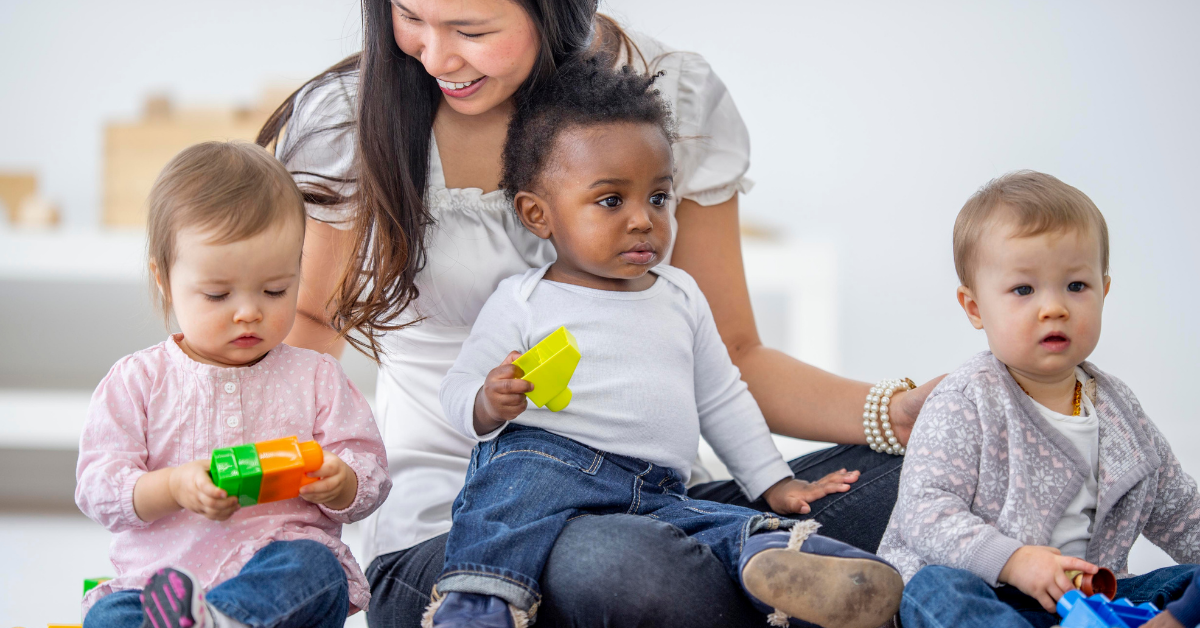
The Importance of Sleep for Growing Children

June 5, 2025

Sleep is often overlooked when discussing a child’s overall well-being, but it is an essential component of healthy growth and development. Whether it's cognitive development, physical growth, or emotional regulation, sleep plays a critical role in shaping a child’s day-to-day functioning and long-term health. For parents, caregivers, and educators, understanding the importance of sleep for growing children is crucial to promoting not just better rest, but better quality of life for young ones. In this blog post, we will explore why quality sleep is vital for children, the effects of sleep deprivation, and offer practical tips for creating healthy bedtime routines that foster sound sleep.

Why is Sleep Important for Children?

Sleep is not just a time for the body to rest; it is a dynamic and active process that supports a wide range of developmental aspects, including growth, learning, and emotional well-being. Below are some of the most important reasons sleep is essential for children:

1. Supports Physical Growth

During sleep, the body releases growth hormones that help with the physical growth of tissues and bones. This is especially important for infants and young children, whose bodies are rapidly developing. For school-age children, quality sleep continues to support healthy growth patterns and contributes to the body’s ability to heal and repair cells.

2. Enhances Memory and Learning

Sleep plays a crucial role in consolidating memory and enhancing cognitive function. For children, this means that the information they learn during the day, whether through school, play, or other activities, is processed and stored during sleep. This is particularly important for memory retention, problem-solving skills, and academic performance. Sleep allows the brain to organize and solidify new information, making it easier for children to recall and apply knowledge the next day.

3. Improves Emotional Regulation

Getting enough sleep is directly linked to emotional health. Children who are sleep-deprived may experience heightened irritability, anxiety, and difficulty regulating their emotions. Adequate sleep helps to stabilize mood, support positive behavior, and reduce the likelihood of emotional outbursts or tantrums. Children who sleep well are more likely to be resilient when faced with challenges and are better able to cope with stress.

4. Strengthens Immune System Function

Quality sleep strengthens the immune system, which is crucial for protecting children from illness. During sleep, the body produces cytokines, which are proteins that help fight infection, inflammation, and stress. Children who consistently get the right amount of sleep are less likely to fall ill and recover faster when they do get sick.

5. Promotes Healthy Brain Development

Sleep is a vital time for the brain to develop and grow. During deep sleep, the brain forms new neural connections and strengthens existing ones. This process supports a child’s cognitive abilities, motor skills, and social development. For toddlers and preschoolers, sufficient sleep is essential for language development, emotional growth, and building social connections.

The Effects of Sleep Deprivation on Children

When children do not get enough quality sleep, the consequences can extend far beyond just feeling tired. Chronic sleep deprivation in children can have significant long-term effects on their physical health, emotional regulation, and cognitive abilities. Below are some of the most common effects of insufficient sleep in children:

  • Impaired Cognitive Functioning: Lack of sleep can negatively affect a child’s attention, concentration, and problem-solving skills. It can make it harder for them to focus during class or absorb new information. Over time, this can impact their academic performance.
  • Behavioral Issues: Sleep-deprived children may exhibit more impulsive behavior, difficulty following instructions, and a lack of patience. They may become easily frustrated or angry, leading to more tantrums and emotional outbursts.
  • Increased Risk of Obesity: Studies have shown that inadequate sleep is linked to weight gain and an increased risk of obesity in children. Sleep deprivation can disrupt the regulation of appetite hormones, leading to overeating and poor food choices.
  • Weakened Immune System: Without enough sleep, a child's immune system may become less effective, making them more susceptible to infections and illnesses.
  • Poor Emotional Health: Sleep deprivation can lead to emotional instability and more intense reactions to everyday stressors. It can also contribute to feelings of anxiety and depression.

How Much Sleep Do Children Need?

The amount of sleep a child needs varies based on their age. While individual sleep needs may differ, the National Sleep Foundation recommends the following general guidelines:

  • Newborns (0-3 months): 14-17 hours per day
  • Infants (4-11 months): 12-15 hours per day
  • Toddlers (1-2 years): 11-14 hours per day
  • Preschoolers (3-5 years): 10-13 hours per day
  • School-age children (6-13 years): 9-11 hours per day
  • Teenagers (14-17 years): 8-10 hours per day

It’s important to note that some children may need slightly more or less sleep than the recommended amount, depending on their individual needs and health.

Tips for Creating Healthy Bedtime Routines

Now that we understand the importance of sleep, let’s dive into some practical tips for parents and caregivers to help create healthy bedtime routines that promote better sleep hygiene for children:

1. Establish Consistent Bedtimes

Children thrive on routine, and having a set bedtime each night helps signal to their body that it’s time to wind down. Try to stick to a consistent bedtime and wake-up time every day, even on weekends, to regulate their internal body clock. This consistency will make it easier for your child to fall asleep and wake up feeling refreshed.

2. Create a Calming Bedtime Routine

A calming bedtime routine can help ease your child into sleep. Activities such as reading a book, taking a warm bath, or listening to soothing music can signal to the brain that it’s time to relax. Keep the routine calm and quiet, avoiding overly stimulating activities, such as screen time or energetic play, which can interfere with the body’s ability to wind down.

3. Limit Screen Time Before Bed

Exposure to screens—such as televisions, tablets, and smartphones—can interfere with sleep. The blue light emitted by screens disrupts the production of melatonin, the hormone that helps regulate sleep. Try to avoid screen time at least 30 minutes to an hour before bed, and encourage other calming activities instead.

4. Create a Sleep-Friendly Environment

Make sure your child’s bedroom is conducive to sleep. Keep the room cool, dark, and quiet. Consider using blackout curtains to block out light and a white noise machine to mask any background sounds that could disrupt sleep. A comfortable mattress and pillow also contribute to better quality sleep.

5. Encourage Physical Activity During the Day

Physical activity during the day helps children use up excess energy, making it easier for them to fall asleep at night. Encourage outdoor play, running, or other physical activities that help release pent-up energy. However, avoid vigorous exercise right before bed, as it can be too stimulating.

6. Watch for Signs of Sleepiness

Pay attention to your child’s natural sleep cues. If they start rubbing their eyes, yawning, or becoming fussy, it’s a sign that they may be ready for bed. Putting your child to bed when they’re naturally sleepy, but not overtired, can make it easier for them to fall asleep.

7. Provide Comfort and Reassurance

For younger children, bedtime may come with some anxiety. Be patient and provide comfort as they settle into bed. A favorite stuffed animal, a soft blanket, or a nightlight can provide reassurance. If your child is having trouble settling down, offer gentle reassurance, but avoid picking them up or engaging in extended interactions that may delay sleep.


Just as fostering a growth mindset helps children develop resilience and a love for learning, ensuring they get quality sleep supports cognitive development and emotional regulation, both of which are essential for success in school and beyond. Additionally, incorporating early childcare enrollment into daily routines can further enhance children's well-being by promoting better sleep patterns and overall health. Exploring outdoor learning also plays a key role in improving sleep quality and overall development.


Conclusion

Sleep is a vital component of a child’s growth and development. From physical growth to cognitive learning and emotional regulation, quality sleep impacts virtually every aspect of a child’s life. By understanding the importance of sleep and following practical tips for establishing healthy bedtime routines, parents and caregivers can ensure that children get the rest they need to thrive. A consistent sleep schedule, a calming bedtime routine, and a sleep-friendly environment all contribute to healthy sleep habits, setting the stage for a well-rested child ready to take on the challenges of the day. By prioritizing sleep, you are not only promoting your child’s well-being but also giving them the foundation they need for a healthy, happy future.



By ELLSA Schools April 13, 2026
Summer in Orlando means sunny days, pool splashes, and family fun. But it can also mean kids losing key learning skills without structure. At Early Learning Connections, our School Readiness Program Orlando turns summer into a bridge to success, especially for preparing for kindergarten Orlando. Parents worry about the "summer slide." Our program fights it with hands-on activities that build school readiness. Keep reading to see why enrolling your child gives them a real edge. Why School Readiness Matters More Than Ever School readiness isn't just a buzzword. It means your child enters kindergarten confident, curious, and ready to learn. In Orlando's fast-paced world, kids need strong foundations in letters, numbers, and social skills. Without them, catching up feels tough. Our School Readiness Program Orlando focuses on these basics through play-based fun. Summer programs like ours prevent learning loss. Studies show kids can lose up to two months of progress over break. We stop that slide right here in Orlando. Beat the Summer Slide with Proven Benefits Imagine your child starting school ahead of peers. That's the power of our summer program. Structured activities keep brains active. We mix literacy games, math adventures, and science experiments. Safety comes first with small groups and trained staff. Healthy meals fuel their energy. Nutritious breakfasts, lunches, and snacks support growth. Plus, scholarships make it affordable—give your child a strong start without breaking the bank. Parents see real changes. One mom shared, "My toddler came home counting to 20 and making friends easily." School readiness builds lasting confidence. Perfect for Every Age at Early Learning Connections We serve infants through preschoolers, including VPK. Our summer day camp adapts to each stage. Infants get gentle sensory play for early brain development. Toddlers explore movement and basic words through songs and stories. Preschoolers dive into pre-K skills like letter recognition. No matter the age, preparing for kindergarten Orlando starts now. Our School Readiness Program Orlando fits busy Orlando families. Half-day or full-day options work around your schedule. Scholarships open doors. Many families qualify for help covering costs. It's an investment in your child's future. A Typical Day in Our School Readiness Program Orlando Wonder what your child does all day? Here's a peek into a sample schedule at Early Learning Connections. Mornings start with arrival and free play. Kids settle in with blocks or books, building social skills safely. Next, structured activities kick off. Circle time teaches letters and numbers through songs. We rotate themes like "Orlando Animals" for local fun. Mid-morning snack time brings healthy bites. Then, outdoor play in our secure playground builds gross motor skills. Lunch features balanced meals like grilled chicken and veggies. Afternoons bring hands-on projects, like crafting shapes or simple experiments. Nap or quiet time recharges them. We end with story time and pickup prep. Every moment supports school readiness. This routine feels like family. Staff know each child by name. Safety checks and clean spaces keep everyone healthy. Safety: Our Top Priority for Peace of Mind Parents in Orlando ask, "Is my child safe?" Absolutely, at Early Learning Connections. We follow strict state guidelines. Background-checked staff watch every child. Secure entry keeps outsiders out. Cameras monitor play areas. Clean facilities get daily sanitizing. Meals meet allergy standards. No shortcuts here. One parent said, "I tour often, and it feels secure." Trust us to protect your little one. Affordability and Scholarships Make It Easy Worried about costs? Our scholarships change everything. Many Orlando families qualify for aid. It covers infants, toddlers, preschool, and VPK summer spots. Give your child a strong start without stress. Rates beat other summer childcare options. Full days include meals and activities. No hidden fees. Compare: Public programs often lack structure. Ours blends fun with school readiness. Enroll early—spots fill fast. Building Trust with Orlando Families We've served Orlando parents for years. Warm, caring staff build real bonds. Daily updates via app share photos and progress. Parent-teacher chats happen anytime. We're not a big chain. Early Learning Connections feels like home. See reviews: "Best for preparing for kindergarten Orlando!" Your concerns matter. We address them head-on with open doors and honest talks. Social Skills That Shine in Kindergarten School readiness goes beyond ABCs. Making friends matters too. Our program sparks sharing and teamwork. Group games teach turn-taking. Kids learn to express feelings. In Orlando's diverse community, we celebrate differences. Role-play helps resolve conflicts kindly. Results? Confident kids ready for class. Parents notice: "My preschooler now chats with anyone." Hands-On Learning for Lifelong Curiosity Forget worksheets. We use play to teach. Water tables teach volume. Building blocks show patterns. Nature walks spark science questions. Themed weeks tie into Orlando magic—like "Space Camp" with rocket crafts. It all boosts school readiness. Staff guide gently. Questions encourage thinking. Your child grows independent. Nutrition Fuels Young Minds Healthy bodies support sharp brains. Our meals shine. Chef-prepared options include fruits, proteins, and grains. Veggie-packed lunches keep energy steady. Allergies? We customize. Snacks like yogurt parfaits add fun. Parents love it: "My picky eater tries new foods here." Full bellies mean focused learning. Preparing for Kindergarten Orlando: Real Stories Hear from local parents. Sarah's son joined our toddlers group. "He knew colors and shapes by fall. Summer camp made it happen." Mike's preschooler got VPK-ready. "Scholarships helped, and the structure beat home daycare." These aren't rare. Our School Readiness Program Orlando delivers for Orlando kids. Why Choose Early Learning Connections This Summer Orlando heat means indoor-outdoor balance. We have shaded play and AC classrooms. Convenient location near major roads. Flexible hours fit work schedules. Unlike generic day camps, we target school readiness. Infants to VPK—all thrive here. Scholarships wait. Don't miss preparing for kindergarten Orlando the easy way. Common Myths About Summer Programs Busted Myth: Summer childcare is just babysitting. Truth: Ours builds skills daily. Myth: It's too expensive. Truth: Scholarships and included meals save money. Myth: Kids won't adjust. Truth: Gentle intros make it smooth. Most beg to return. We're transparent. Tour us and see. The Long-Term Payoff of Starting Strong Invest now, reap later. School-ready kids read earlier, behave better, love learning. Orlando schools expect basics. Our program delivers them through summer fun. Future success starts here. Confident kids become leaders. Your Next Step: Join Us Today Ready to keep your child sharp? Early Learning Connections makes school readiness simple. Schedule a tour today—see our Orlando center in action. Call (407) 930-5792 now to chat with our director. Enroll before spots vanish. Scholarships available—give your child a strong start! Spots fill fast for infants, toddlers, preschool, and VPK. Act now for a summer of growth.
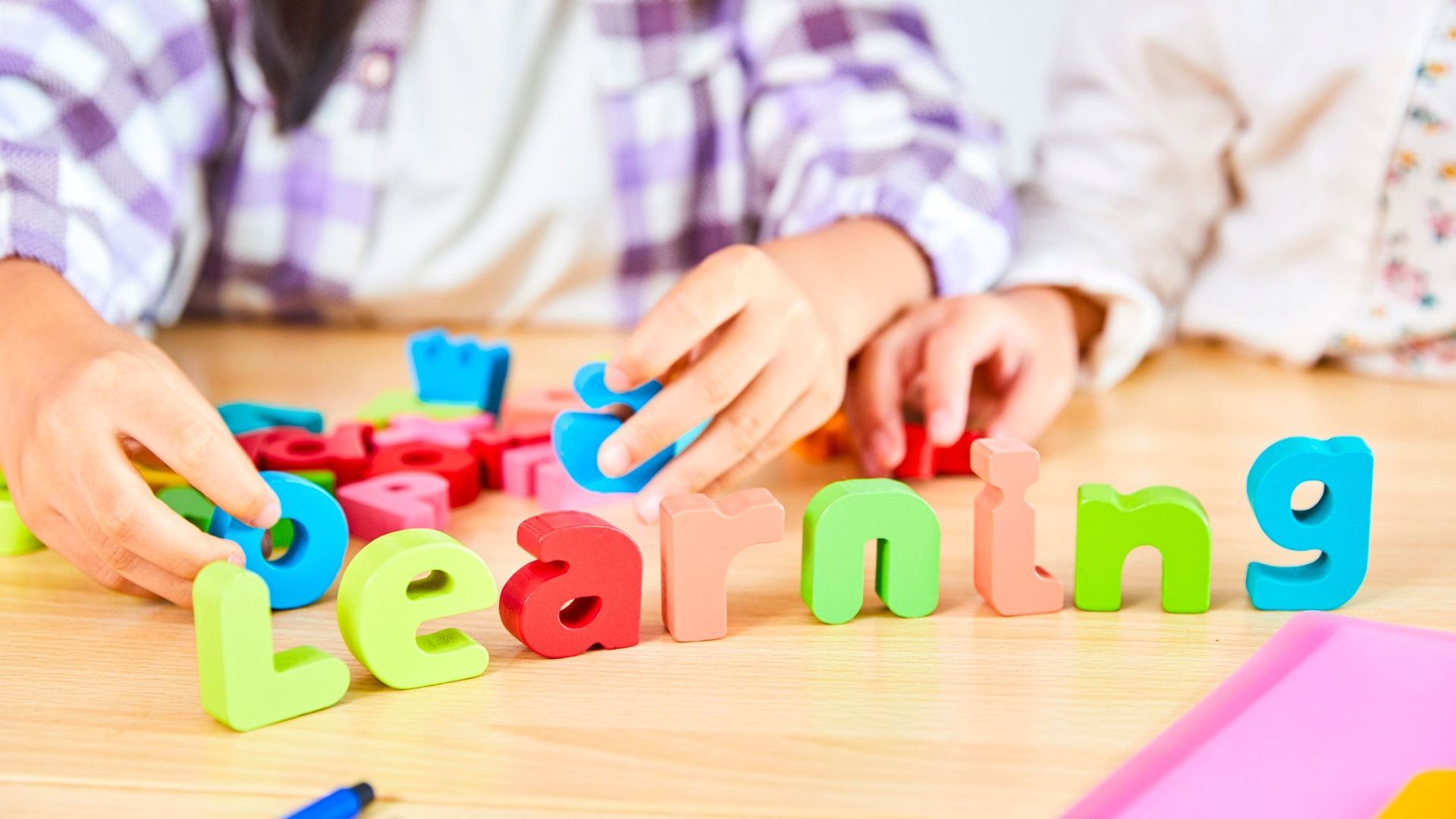
Hands arranging colorful wooden letters spelling
By Hannah Galvez January 5, 2026
Start the new year strong. Early Learning Connections makes preschool registration in Orlando and childcare enrollment in FL simple and stress-free.
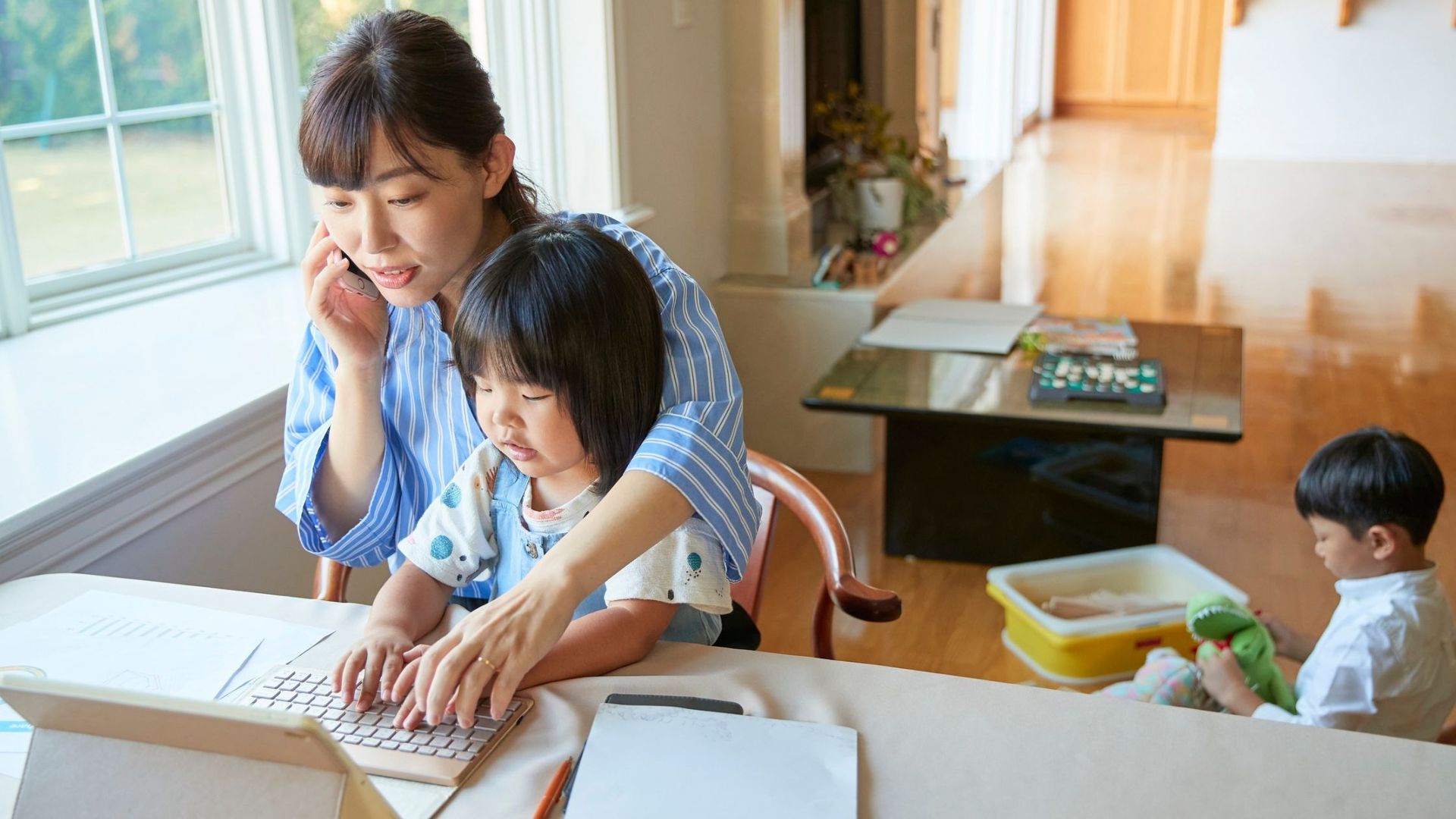
Woman on phone, working on laptop with child, other child playing. Bright, home setting.
By Hannah Galvez December 1, 2025
Working this winter? Early Learning Connections offers reliable winter childcare in Orlando and faith-based preschool for working parents.
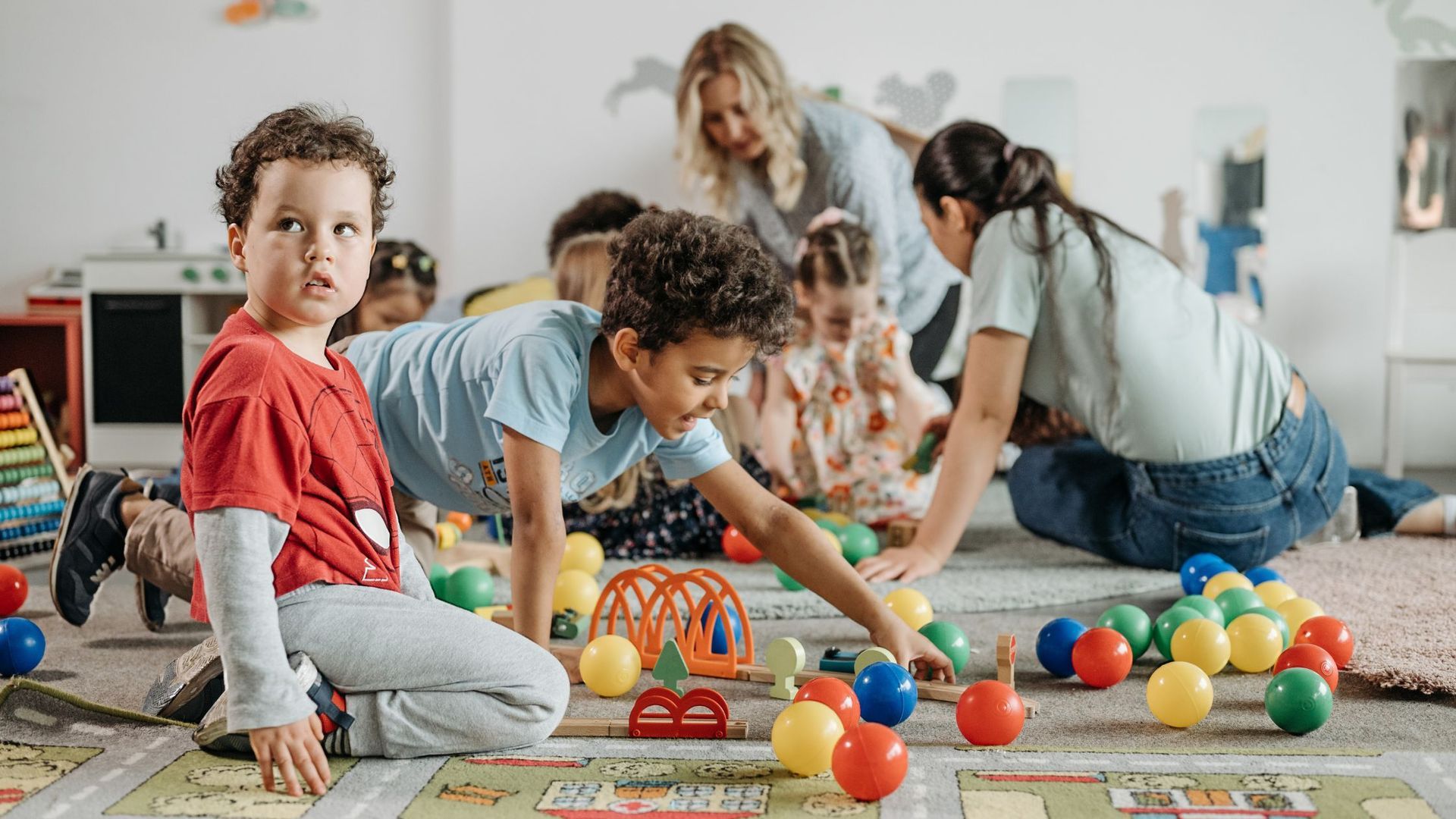
Children playing with balls and toys on a rug in a playroom, with adults supervising.
By Hannah Galvez November 17, 2025
Find trusted childcare in West Orlando. Early Learning Connections offers nurturing, faith-based early learning in 32805 for happy, confident kids.
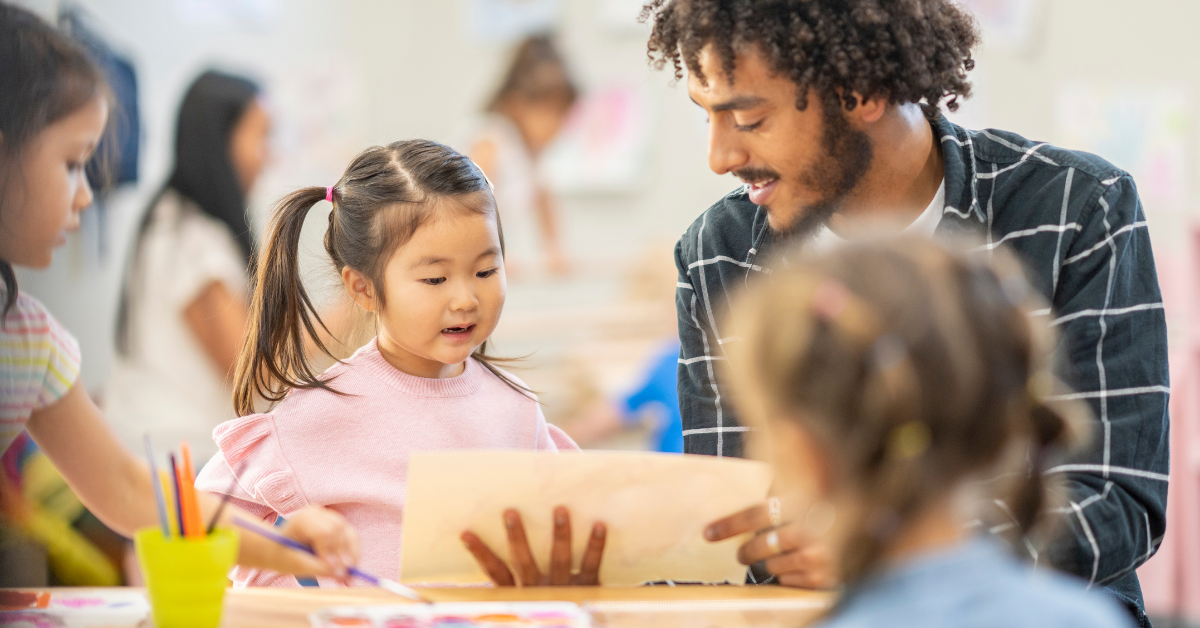
A man is teaching a little girl how to use a laptop computer in a classroom.
By Childcare center August 26, 2025
Discover fun and engaging ways to teach early math skills to young children through everyday activities like counting, sorting, and cooking.
A woman is sitting on the floor with three babies playing with toys.
By Childcare center August 21, 2025
Discover the benefits of early multilingualism, including cognitive development, cultural awareness, and long-term educational advantages.
A woman is sitting on the floor reading a book to a group of babies.
By Childcare center August 19, 2025
Discover how play-based learning fosters creativity, problem-solving, and social interaction in early childhood education.
A woman and two children are laying on the floor drawing with pencils.
By Childcare center August 14, 2025
Discover how to nurture social skills in preschool-aged children through group activities, conflict resolution, and positive communication.
A group of women and children are hugging each other in a room.
By Childcare center August 12, 2025
Learn how to establish healthy eating habits for children, including balanced meals, limiting processed foods, and making mealtime enjoyable.
A group of children are playing with blocks on the floor with a teacher.
By Childcare center August 7, 2025
Discover how outdoor play boosts a child's physical and mental development, enhancing motor skills, creativity, and emotional well-being.